Creative Ways to Introduce Kids to Recycling
Posted on 03/11/2025
Recycling is no longer just an environmental buzzword--it's an essential, practical approach to creating a sustainable future. However, teaching its value to kids can be challenging unless it's engaging and relatable. Introducing kids to recycling in creative, interactive ways ensures they not only understand the importance of waste management but also develop eco-friendly habits for life. In this article, we'll explore fresh and exciting methods for teaching recycling to children and fostering a lifelong commitment to environmental stewardship.
Why Teaching Kids About Recycling Matters
Before delving into fun recycling activities for kids, it's vital to recognize why recycling education is so crucial. Children are our future, and instilling the importance of recycling early can have a ripple effect on their communities. When kids understand how recycling reduces landfill waste, preserves resources, and protects wildlife, they become more invested in the practice. Plus, young learners who develop good recycling habits early on are more likely to champion these behaviors as adults.
Top Creative Approaches to Make Recycling Fun for Kids
Here are a variety of stimulating, hands-on methods to introduce children to recycling in ways they'll find memorable and meaningful. Whether you're a parent, teacher, or community leader, these recycling activities for children will spark curiosity and foster eco-friendly habits.
1. Recycling Scavenger Hunt
Kids love a good treasure hunt! Arrange a recycling-themed scavenger hunt in your home, school, or backyard. Make a list of items that can be recycled--aluminum cans, plastic bottles, cardboard boxes, old newspapers, etc. Provide each child with a bag and see who can collect the most items from around the house or classroom.
- Sort It Out: Once the items are collected, sort them into appropriate recycling bins together. Talk about why each item belongs in a particular bin.
- Why It Works: This activity helps children learn to recognize recyclable items in a practical, engaging way.
2. Upcycled Art and Craft Projects
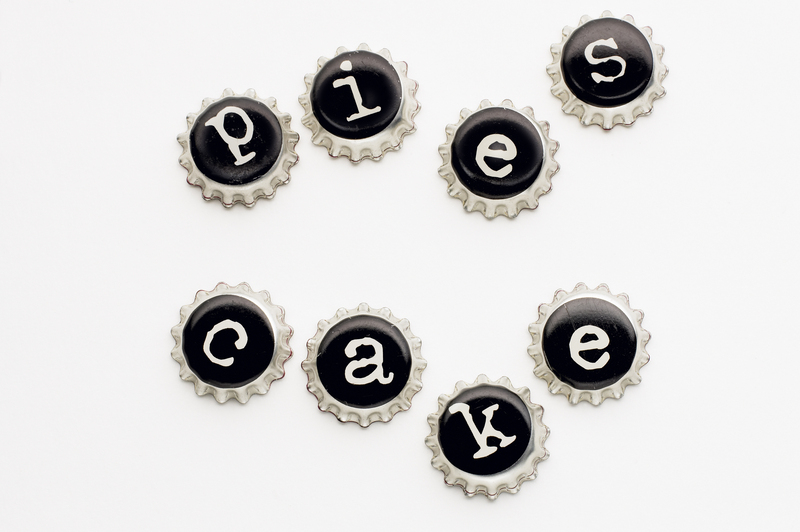
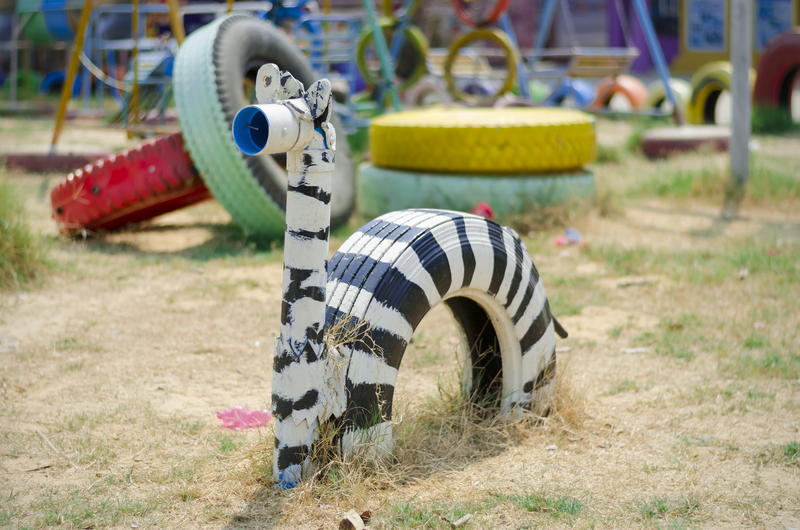
Encourage children to see "waste" as a resource by turning recyclables into art. Gather materials like egg cartons, bottle caps, jars, cardboard tubes, and newspapers, then brainstorm creative projects.
- Sample Projects: Bird feeders from milk cartons, robots from boxes and bottle caps, or colorful mosaics from old magazines.
- Skills Learned: Kids develop fine motor skills, creativity, and an appreciation for repurposing materials--core principles of recycling.
3. Story Time with a Recycling Twist
Integrate recycling stories for children into your reading routine. There are many picture books and short stories centered on recycling, environmental care, and waste reduction.
- Examples: "The Adventures of a Plastic Bottle" or "Michael Recycle."
- Interactive Approach: After reading, discuss the story's message and relate it to daily habits in your home or classroom.
4. Recycling Relay Races
Get kids moving while teaching them how to recycle correctly. Set up three or four bins labeled "Glass," "Plastic," "Paper," and "Trash." Gather clean, empty items and mix them up.
- How to Play: Split the group into teams. Each participant must race to pick an item and place it in the correct bin before tagging the next team member.
- Why It Works: This recycling game for kids blends physical activity with practical learning, reinforcing sorting skills.
5. DIY Recycling Bins
Invite kids to create their own personalized recycling bins using old boxes, paint, and stickers. Encourage them to decorate bins for different materials--paper, plastic, glass, and metal.
- Benefit: Giving children ownership over their bins increases motivation to use them and helps reinforce recycling rules for kids.
- Extension: Make labels with drawings to help younger children identify which items belong in each bin.
Building Everyday Recycling Habits at Home
Introducing recycling at home is the best way to turn environmental awareness into daily routines. Here are some inventive strategies to cultivate eco-friendly habits as a family:
6. Kitchen Recycling Command Center
Set up a visible "recycling command center" in your kitchen. Use labeled bins and a chart to remind everyone what goes where. Encourage kids to be the recycling supervisors, checking bins and helping others sort.
- Tip: Assign a weekly "bin detective" role for children to monitor the system and lead recycling discussions during family meals.
7. Waste Audit Challenge
Turn a household waste audit into a family challenge. For one week, keep track of everything tossed into the trash and see what could have been recycled or composted.
- How to Do It: Let kids tally items and create colorful graphs showing results.
- What Kids Learn: This exercise visually reinforces the impact of recycling and encourages efforts to reduce waste going to landfill.
8. Composting Together
Introduce composting as a form of recycling. Set up a simple compost bin in your backyard or balcony and involve kids in sorting food scraps.
- Activity: Chart which scraps are compostable, and let children observe the transformation process over weeks.
- Value Added: Composting teaches kids the full cycle of organic recycling and highlights how food waste can nourish plants.
Creative Recycling Lessons in Schools
Schools are great incubators for environmental learning. Here are ways to creatively weave recycling education for students into the curriculum:

9. Classroom Recycling Monitors
Create a student-led recycling team responsible for checking bins, reminding classmates about recycling do's and don'ts, and reporting progress.
- Motivator: Rotate the role so every student gets to be a recycling leader at some point over the year.
10. Eco-Themed School Projects
Integrate recycling into science fairs, poster contests, or assembly presentations. Have students research recycling statistics, make campaign posters, or develop creative upcycled art projects for display.
- Real-World Impact: Kids learn to present recycling facts and promote positive behaviors to their peers, spreading the message further.
11. Recycling Field Trips
Organize trips to local recycling plants, composting facilities, or landfill sites. Witnessing waste management in action can make recycling concepts more tangible.
- Discussion: Follow up with class discussions and reflection activities to help kids process what they've learned and ask questions.
Tech Tools and Games for Recycling Education
Harness digital resources to make recycling concepts interactive and relevant for today's tech-savvy kids.
12. Online Recycling Games and Apps
Many educational websites and apps feature recycling games for children, quizzes, and virtual activities. These allow kids to practice sorting waste, learn recycling trivia, and earn rewards for correct answers.
- Example Resources: Websites like Recycle City, EcoKids, and interactive mobile games such as Sort the Garbage provide fun practice opportunities.
13. Educational Videos and Cartoons
There's an abundance of animated videos introducing recycling principles for kids. Use them as conversation starters or supplement lessons in classrooms.
- Action Step: After watching, ask kids what they learned and if they're inspired to make a change in their own recycling habits.
Community-Based Recycling Adventures
Get kids involved in local eco-friendly initiatives to underscore the impact of collective recycling efforts.
14. Neighborhood Clean-Up Events
Join community clean-up days or organize your own. Equip kids with gloves, bags, and recycling bins. Focus on sorting collected waste for recycling where possible.
- Outcome: Kids develop a sense of responsibility for their surroundings and see how much waste can be diverted from landfills with a joint effort.
15. Recycling Drives and Fundraisers
Host a recycling drive at your school, church, or scout group--collect items like batteries, electronics, sneakers, or old toys for proper recycling or upcycling.
- Extension: Combine with a fundraising initiative, so kids see how recycling can benefit both the environment and their community projects.
Sustaining Kids' Interest in Recycling: Tips for Parents and Teachers
Sparking curiosity is only the first step. Long-term engagement and attitude shift occur when kids see recycling as a rewarding, normal part of life.
- Lead by Example: Children mirror adult attitudes. Make sure you consistently recycle and talk about its importance.
- Make it Visual: Use charts, posters, or sticker rewards to track recycling accomplishments and progress.
- Praise Effort: Celebrate when kids remember to recycle or suggest new eco-friendly initiatives.
- Stay Positive: Frame recycling as an exciting mission rather than a chore--it's a way to care for the planet!
Conclusion: Nurturing the Next Generation of Recyclers
By adopting these creative ways to introduce kids to recycling, you're not only teaching them to manage waste responsibly--you're building their confidence as stewards of the Earth. Through hands-on activities, interactive technology, community engagement, and daily rituals, recycling becomes more than a lesson; it becomes a lifestyle.
As children grow more mindful about recycling, their families, schools, and communities benefit. The seeds sown today will bloom into a greener, cleaner tomorrow--one recycled bottle, box, or can at a time. So, get creative, stay consistent, and watch your youngsters turn into passionate planet protectors!
Latest Posts
Creative Ways to Introduce Kids to Recycling
The Evolution of Waste Management Through Ancient to Modern Times
Discovering the Basics: What Exactly is a Builder's Skip