Effortless Solutions for Disposing of Plant Pots
Posted on 18/08/2025
Effortless Solutions for Disposing of Plant Pots
In today's eco-conscious world, managing garden waste responsibly is more important than ever. Among the challenges for both hobbyist and professional gardeners is finding effortless solutions for disposing of plant pots. With millions of plant containers sold each year, improper disposal contributes to landfill overflow and environmental pollution. Thankfully, several simple and sustainable methods to dispose of plant pots can help you do your part for the planet while keeping your garden clutter-free.
Understanding the Impact of Plant Pot Waste
Before diving into easy ways to get rid of plant pots, it's crucial to recognize why this issue matters. Most plant pots are made from plastic types such as polypropylene or HDPE. While these plastics are durable, they are also slow to break down in landfills and can release harmful chemicals over time.
- Plastic pollution: Millions of plastic plant pots end up in landfills each year.
- Environmental hazards: Decomposing plastics can leach toxins into soil and water.
- Resource wastage: Disposing of reusable or recyclable pots unnecessarily depletes natural resources.
By adopting eco-friendly solutions for plant pot disposal, you help reduce waste, save energy, and promote a healthier environment.
What Types of Plant Pots Can Be Disposed Of?
Understanding the materials of your plant pots can help determine the right disposal method. Here are the most common types of plant pots:
- Plastic Pots: Often made from polypropylene (PP), polystyrene (PS), or high-density polyethylene (HDPE).
- Ceramic Pots: Glazed or unglazed, these are more durable but non-biodegradable.
- Terracotta Pots: Made from natural clay, partially biodegradable but hard to recycle.
- Biodegradable Pots: Made from coir, peat, or paper pulp, designed to decompose with use.
Can All Plant Pots Be Recycled?
Sadly, not all plant pots are recyclable. Many plastic pots are made from black or dark-colored plastics, which recycling facilities often cannot process due to machinery limitations. Ceramic and terracotta are usually not accepted in standard curbside recycling streams, while biodegradable pots can go directly into compost bins.
Effortless and Eco-Friendly Solutions for Disposing of Plant Pots
1. Reuse: Give Your Plant Pots a Second Life
The simplest and greenest method for plant pot disposal is to reuse them. Upcycling plant containers reduces waste, saves money, and can be a fun creative activity. Here's how you can breathe new life into old pots:
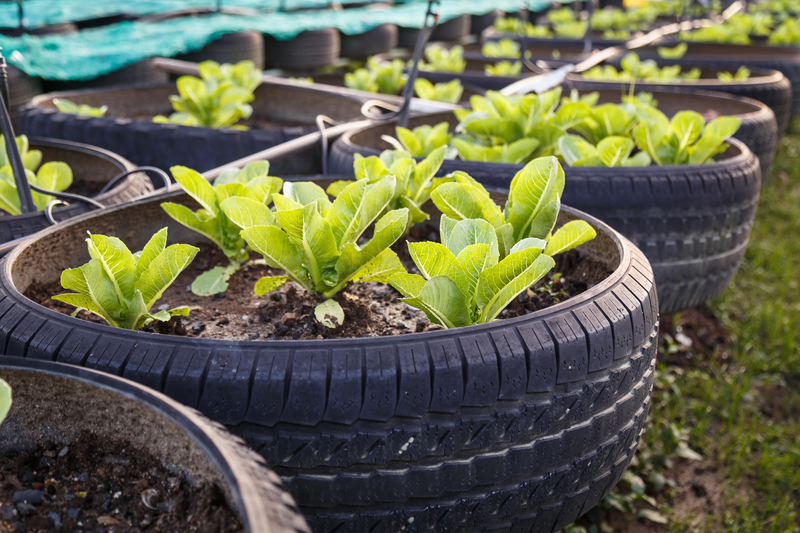
- Propagating new plants: Use small pots for cuttings or seed starting projects.
- Creative DIY projects: Transform pots into decorative lanterns, organizers, or bird feeders.
- Storage solutions: Use pots as holders for pens, tools, or kitchen utensils.
- Garden markers: Label each pot for seedlings or herbs.
- Gift containers: Present plants as gifts in pre-loved pots, wrapped with colorful ribbon.
By creatively reusing, you enjoy effortless alternatives to throwing away plant pots and infuse character into your living space!
2. Donate: Sharing Pots with Others
Many schools, community gardens, nurseries, or local gardening clubs appreciate donations of clean, usable plant pots. This plant pot disposal solution keeps resources circulating and supports community projects.
- Contact local schools or libraries with gardening programs.
- Ask at nearby plant nurseries or garden centers.
- Check community bulletin boards or online groups like Freecycle or Facebook Marketplace.
- Alert neighbors - sometimes fellow home gardeners are happy to accept free pots.
*Tip: Wash pots before donating to eliminate soil pests and diseases, ensuring they're safe for new plants!*
3. Recycle: Giving Plastic Pots New Purpose
When it comes to plastic plant pot disposal, recycling is a viable option for many--but the rules can vary by location. Here are the steps for recycling plant containers properly:
- Check recycling symbols: Flip your pot to find the recycling number (generally #2, #5, or #6 plastics are recyclable).
- Contact your local waste authority: Not all curbside recycling accepts garden plastics. Ask about drop-off points or special programs.
- Look for retail take-back programs: Many garden centers (such as Home Depot, Lowe's, or independent nurseries) offer in-store containers for recycling plant pots and trays.
- Clean before recycling: Remove all soil and plant matter to prevent contamination.
Be aware: Black plastic pots are especially hard to recycle because automated sorting facilities can't detect their color. Seek specialized drop-off points whenever possible.
4. Compost: Biodegradable Pot Disposal
If you use pots made from biodegradable materials like peat, coconut coir, or paper pulp, composting plant pots is the easiest solution. Simply break down the pots and add them directly to your compost pile or bin.
- Shred pots for faster decomposition.
- Alternate with "green" compostable materials to maintain balance.
Tip: Make sure compostable pots are free from plastic coatings or glues, which could inhibit breakdown. These eco-conscious disposal options for plant pots are best for sustainable gardeners!
5. Return Programs: Take-Back & Circular Economy Initiatives
Some nurseries and garden supply stores have established plant pot return schemes as part of a circular economy approach. Customers can bring back empty pots, which are then cleaned and reused for future plant sales. These programs reduce manufacturing demand and conserve resources.
- Look for signage or ask staff at your favorite garden center about return programs.
- Specialized nurseries may collect only certain brands or container types--always check rules before dropping off.
6. Creative Repurposing: Beyond the Garden
If recycling, donating, or composting aren't viable, get creative with innovative ways to dispose of plant pots that prevent them from going to landfill.
- Storage organizers: Stack or hang pots for small item storage in sheds, garages, or craft rooms.
- Pet food scoops: Cut away bottoms for easy scooping.
- Outdoor decorations: Paint and arrange pots for playful garden gnomes or seasonal displays.
*Thinking outside the box keeps pots out of the waste stream and injects fun into everyday life!*
Tips for Reducing Plant Pot Waste in the First Place
The best way to address disposal is to reduce plant pot waste at the source. Here's how to minimize future impact:
- Choose sustainable pots: Opt for pots made from compostable or recycled materials when possible.
- Buy in bulk: Purchasing larger plants reduces the total number of pots.
- Support retailers with take-back schemes: Shop at nurseries or garden centers that reuse or recycle pots.
- Repurpose existing pots: Before buying more, check your collection for suitable options.
- Advocate for change: Encourage local retailers to establish recycling or return programs.
*Reducing, reusing, and recycling are the three pillars of sustainable gardening--apply them to your plant containers for maximum impact!*

Frequently Asked Questions About Disposing of Plant Pots
Are all plant pots recyclable?
No. While some plastics such as #2 (HDPE) or #5 (PP) are commonly recyclable, others, especially black or multi-layered plastics, are not. Ceramic, terracotta, and pots with added design elements (like paint or decals) are not usually accepted in recycling.
What should I do with broken plant pots?
*Ceramic or terracotta pots* that are broken can be repurposed as drainage material in other planters (known as crocking) to prevent soil from washing out. Larger shards make effective garden path mulch or decorative accents. Broken plastic pots should be disposed of via appropriate recycling streams whenever possible; if not recyclable, they may need to be discarded as waste.
Can I repurpose all types of plant pots?
Most pots can be repurposed for storage or DIY crafts regardless of material. Just ensure dirty pots are thoroughly cleaned to avoid attracting pests or diseases to storage spaces.
Is it safe to compost all biodegradable pots?
Only compost pots labeled as fully biodegradable and free from coatings, dyes, or plastics. When in doubt, check with the manufacturer or composting guidelines.
Where can I find local recycling or return programs for plant pots?
Check your city or county's waste management website or call local garden supply stores. National chains such as Home Depot and Lowe's commonly have drop-off points, but availability varies by location.
Conclusion: Eco-Conscious Disposal for a Greener Tomorrow
Disposing of plant pots doesn't have to be a headache--or a burden on the environment. By embracing effortless solutions for disposing of plant pots, gardeners of all levels can make a meaningful difference. Whether you choose to reuse, donate, recycle, compost, or creatively repurpose your plant containers, you keep valuable materials out of landfills and contribute to a healthier, more sustainable world.
Remember: Every small action adds up to significant change. Incorporate these responsible plant pot disposal methods into your gardening routine, and help lead the way toward eco-friendly horticulture--one pot at a time.
Key Takeaways
- Reuse plant pots whenever possible to cut down on waste.
- Donate unwanted pots to community projects or fellow gardeners.
- Recycle using appropriate waste streams and local take-back schemes.
- Compost biodegradable pots for zero-waste gardening.
- Repurpose creatively to keep plastic and other materials out of landfills.
For more practical tips and up-to-date information, always consult your local recycling authority or garden center. Together, we can nurture both our gardens and our planet!
Latest Posts
Creative Ways to Introduce Kids to Recycling
The Evolution of Waste Management Through Ancient to Modern Times
Discovering the Basics: What Exactly is a Builder's Skip